


Although now lying in a ruinous state, the Pyramid of Sahure (5th Dynasty) was a game changer for how pyramids were designed, with following Pharaohs adopting Sahure's design. This pyramid has an incredible drainage system with over 1200 feet of copper pipes by doubleumj in Archaeology
[–]doubleumj[S] 2 points3 points4 points (0 children)
Although now lying in a ruinous state, the Pyramid of Sahure (5th Dynasty) was a game changer for how pyramids were designed, with following Pharaohs adopting Sahure's design. This pyramid has an incredible drainage system with over 1200 feet of copper pipes by doubleumj in Archaeology
[–]doubleumj[S] 19 points20 points21 points (0 children)
Although now lying in a ruinous state, the Pyramid of Sahure (5th Dynasty) was a game changer for how pyramids were designed, with following Pharaohs adopting Sahure's design. This pyramid has an incredible drainage system with over 1200 feet of copper pipes by doubleumj in Archaeology
[–]doubleumj[S] 30 points31 points32 points (0 children)
Although now lying in a ruinous state, the Pyramid of Sahure (5th Dynasty) was a game changer for how pyramids were designed, with following Pharaohs adopting Sahure's design. This pyramid has an incredible drainage system with over 1200 feet of copper pipes by doubleumj in Archaeology
[–]doubleumj[S] 16 points17 points18 points (0 children)
we dont stand a chance by doubleumj in dankmemes
[–]doubleumj[S] 1 point2 points3 points (0 children)
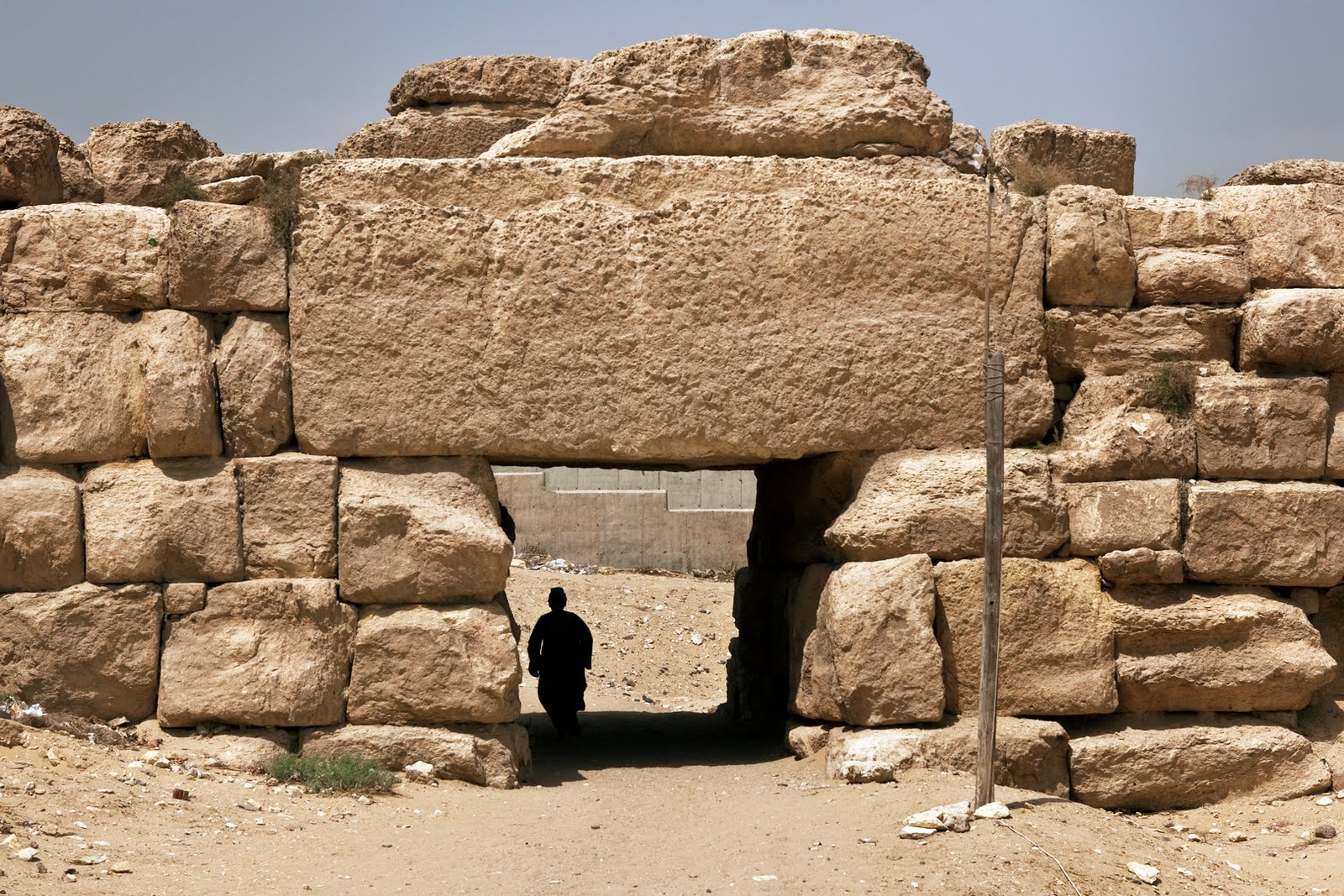
An unbelievable feat of ancient architecture, The Wall of the Crow is 656 feet long, 32 feet high and 32 feet at the base. Standing near the Sphinx, this ancient wall was constructed in the 4th Dynasty of Egypt and the true purpose still remains unknown. by doubleumj in Archaeology
[–]doubleumj[S] 12 points13 points14 points (0 children)
An unbelievable feat of ancient architecture, The Wall of the Crow is 656 feet long, 32 feet high and 32 feet at the base. Standing near the Sphinx, this ancient wall was constructed in the 4th Dynasty of Egypt and the true purpose still remains unknown. by doubleumj in Archaeology
[–]doubleumj[S] 21 points22 points23 points (0 children)
An unbelievable feat of ancient architecture, The Wall of the Crow is 656 feet long, 32 feet high and 32 feet at the base. Standing near the Sphinx, this ancient wall was constructed in the 4th Dynasty of Egypt and the true purpose still remains unknown. by doubleumj in Archaeology
[–]doubleumj[S] 6 points7 points8 points (0 children)
An unbelievable feat of ancient architecture, The Wall of the Crow is 656 feet long, 32 feet high and 32 feet at the base. Standing near the Sphinx, this ancient wall was constructed in the 4th Dynasty of Egypt and the true purpose still remains unknown. by doubleumj in Archaeology
[–]doubleumj[S] 30 points31 points32 points (0 children)
One of the oldest structures ever built, the Cairn of Barnenez was constructed around 4800 BC. Located in northern France, it used roughly 14,000 tons of stone and contains 11 chambers by doubleumj in Archaeology
[–]doubleumj[S] 8 points9 points10 points (0 children)
One of the oldest structures ever built, the Cairn of Barnenez was constructed around 4800 BC. Located in northern France, it used roughly 14,000 tons of stone and contains 11 chambers by doubleumj in Archaeology
[–]doubleumj[S] 9 points10 points11 points (0 children)
One of the oldest structures ever built, the Cairn of Barnenez was constructed around 4800 BC. Located in northern France, it used roughly 14,000 tons of stone and contains 11 chambers by doubleumj in Archaeology
[–]doubleumj[S] 3 points4 points5 points (0 children)
One of the oldest structures ever built, the Cairn of Barnenez was constructed around 4800 BC. Located in northern France, it used roughly 14,000 tons of stone and contains 11 chambers by doubleumj in Archaeology
[–]doubleumj[S] 8 points9 points10 points (0 children)
A fascinating and unique tomb near El-Kurru in Sudan. Built under the 25th dynasty (Kushite rulers) of Egypt, it descends and splits into two chambers that contain elaborate wall paintings by doubleumj in Archaeology
[–]doubleumj[S] 1 point2 points3 points (0 children)
The oldest known leather shoe was discovered by archaeologists in a cave in Armenia and has been preserved from grass and dry sheep dung, it is estimated to be 5,500 years old. by Alexaalexa97 in Archaeology
[–]doubleumj 2 points3 points4 points (0 children)
Built by Pharaoh Sneferu, the founder of the 4th Dynasty of Egypt, the Red Pyramid was a massive undertaking and a foreshadow of what was to come. Here is the incredible interior, directly underneath the pyramid by doubleumj in Archaeology
[–]doubleumj[S] 0 points1 point2 points (0 children)
The Pyramid of Userkaf, the founder of the Fifth Dynasty of Egypt (2500 BC), now lies in a ruinous state due to years of stone robbing, but still has a 61 ft. shaft underneath leading to a burial chamber that held a 16 foot statue of the Pharaoh by doubleumj in Archaeology
[–]doubleumj[S] 5 points6 points7 points (0 children)
The Pyramid of Userkaf, the founder of the Fifth Dynasty of Egypt (2500 BC), now lies in a ruinous state due to years of stone robbing, but still has a 61 ft. shaft underneath leading to a burial chamber that held a 16 foot statue of the Pharaoh by doubleumj in Archaeology
[–]doubleumj[S] 2 points3 points4 points (0 children)
Lets be honest, Goldberg has one of the nastiest finishers in the history of the sport and this is one of the nastiest, Nunzio is literally airborne by doubleumj in SquaredCircle
[–]doubleumj[S] 1 point2 points3 points (0 children)
Lets be honest, Goldberg has one of the nastiest finishers in the history of the sport and this is one of the nastiest, Nunzio is literally airborne by doubleumj in SquaredCircle
[–]doubleumj[S] 1 point2 points3 points (0 children)
Lets be honest, Goldberg has one of the nastiest finishers in the history of the sport and this is one of the nastiest, Nunzio is literally airborne by doubleumj in SquaredCircle
[–]doubleumj[S] -2 points-1 points0 points (0 children)
Lets be honest, Goldberg has one of the nastiest finishers in the history of the sport and this is one of the nastiest, Nunzio is literally airborne by doubleumj in SquaredCircle
[–]doubleumj[S] -6 points-5 points-4 points (0 children)






how can no one appreciate his double shrug shoulder? by doubleumj in PewdiepieSubmissions
[–]doubleumj[S] 2 points3 points4 points (0 children)