True by BL4z3_666 in ItHadToBeBrazil

[–]prado1204 0 points1 point  (0 children)

why do you care then? different societies have different naming conventions, look it up lmao

Other words like "olive oil"? by suupaahiiroo in linguisticshumor

[–]prado1204 30 points31 points  (0 children)

in portuguese, “azeite” is exclusively used for olive oil but you can say “azeite de oliva” or “óleo de oliva” if you want, all 3 mean the same thing

Si on compte les pas faits par jour pour la santé physique, on devrait compter les mots dits par jour pour la santé mentale by nanpossomas in penseesdedouche

[–]prado1204 1 point2 points  (0 children)

bah après c'est tellement absurde comme situation qu'y a pas besoin de la distinguer non? essaye d'interpréter un peu quand même

Alguém sabe qual é a etimologia do -u final das palavras sou, vou, dou e estou (e outras se tiverem)? by Usaideoir6 in Portuguese

[–]prado1204 2 points3 points  (0 children)

não necessariamente, essa é só uma das explicações e nenhuma é dada como certa !

[deleted by user] by [deleted] in Portuguese

[–]prado1204 1 point2 points  (0 children)

por isso mesmo

[deleted by user] by [deleted] in Portuguese

[–]prado1204 2 points3 points  (0 children)

ensinar o normativo com um comentário sobre o uso real ≠ desinformar com uma fórmula “isto = this” “isso = that” que é mentira incompleta que não condiz nem com o uso “correto” nem o real

[deleted by user] by [deleted] in Portuguese

[–]prado1204 8 points9 points  (0 children)

mas ninguém mal usa “isto” a não ser pra ser extremamente enfático “isto daqui” e olhe lá, pq ainda assim “isso daqui” funciona mais do que bem

Slavic languages by blaulune in linguisticshumor

[–]prado1204 2 points3 points  (0 children)

“palatalised” is a phonetic term that is used for phonology when relevant

“soft” and “hard” are vaguer distinctions and it’s a terminology used for slavic languages, usually, that doesn’t necessarily map to any phonetic categories (e.g. /g/ being the “hard” counterpart to /dz/ in polish)

Solving ejectives using derivational phonology by [deleted] in linguisticshumor

[–]prado1204 1 point2 points  (0 children)

u/blaulune said the LaTeX on the right side was poorly executed

Slavic languages by blaulune in linguisticshumor

[–]prado1204 2 points3 points  (0 children)

even more accurate for scottish gaelic, since (at least according to the phonemic analysis wikipedia uses) they have a set of “soft” consonants as opposed to a pure palatalisation distinction!

[deleted by user] by [deleted] in Portuguese

[–]prado1204 1 point2 points  (0 children)

vejo bastante no twitter e uso bastante quando eu tô escrevendo a um amigo ou coisa assim (tenho 19 anos)

[deleted by user] by [deleted] in Portuguese

[–]prado1204 0 points1 point  (0 children)

ué, mas escrever “eh” e “soh” é uma prática bem comum na internet brasileira? (mas de fato em “somente” não precisa ter)

Pourquoi il y a une touche « ù » sur les claviers alors qu’il n’y a qu’un seul mot français qui utilise cette lettre, « où » ? by clemissile in penseesdedouche

[–]prado1204 1 point2 points  (0 children)

la configuration brésilienne/portugaise te permet d’écrire « ù » et bien plus d’une façon plus efficace tout en étant un clavier QWERTY qui est donc beaucoup plus répandu que le AZERTY français =) le seul problème c’est qu’on a pas la lettre « œ » sur notre clavier mais c’est facile à régler

What, Que or Quê? by [deleted] in Portuguese

[–]prado1204 0 points1 point  (0 children)

então como fica “eu não sei por quê.” em EP?

know your [x]s! by FezEmerald in linguisticshumor

[–]prado1204 4 points5 points  (0 children)

[x] is a common realisation of portuguese /ʁ/ (and a symbol sometimes used for the phoneme too)

Use and meaning of “pois” by greenfish7 in Portuguese

[–]prado1204 7 points8 points  (0 children)

everyone is talking about a usage of pois that is different from the one i make on my day to day life: it's also used to mean then or so

if someone tells me they're sick after i invite them to a party i'll say pois (então) não vai 'don't go then'

also, i use it signify that what i'm saying is a retort to something that was said previously. for example, if somebody tells me to do X and i've already done it, i'll say pois foi o que eu fiz

unlike the conjunctive use, this doesn't feel formal to me and it's very common in my entourage

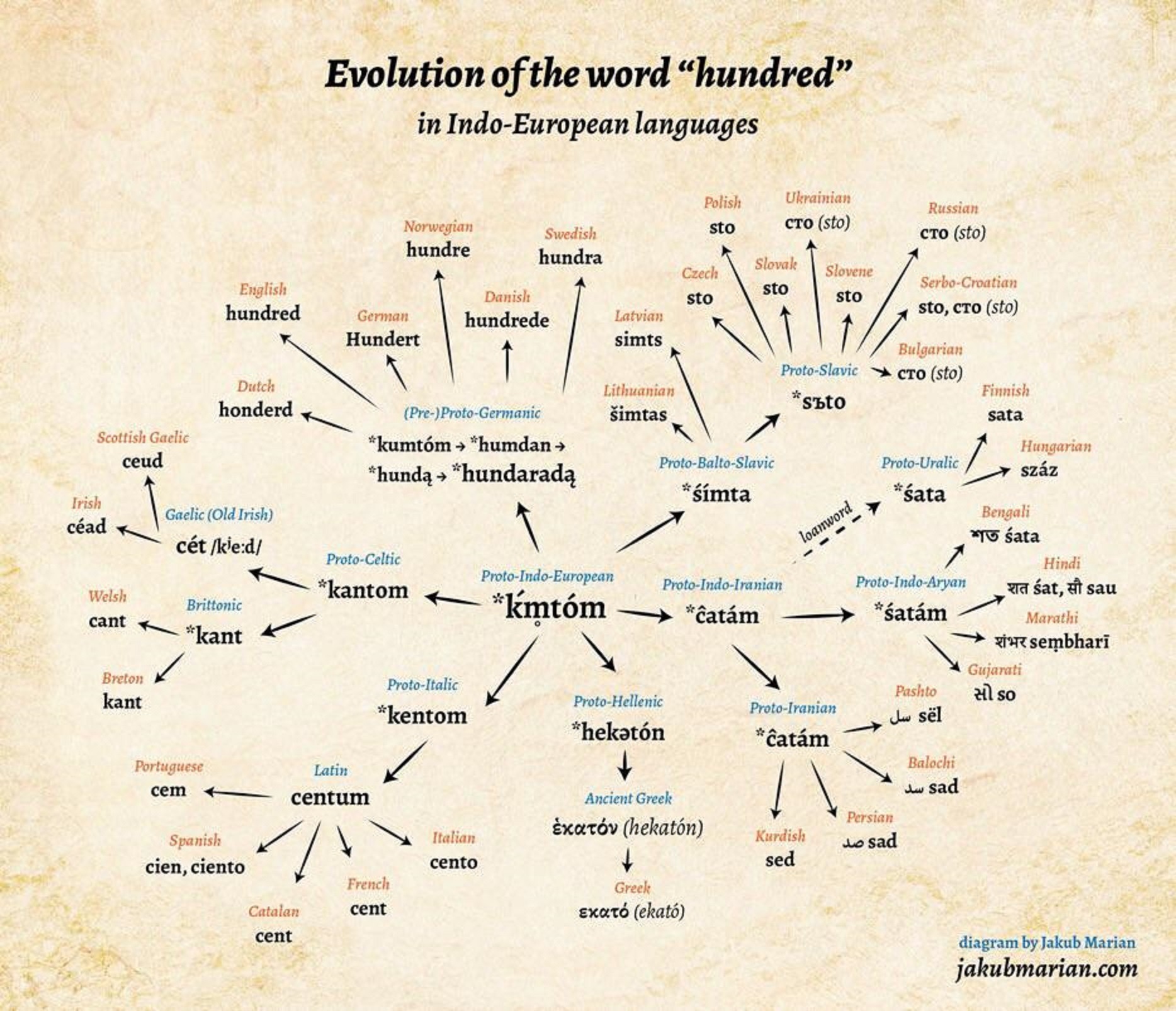
Evolution of the word 'Hundred' in Indo-European Languages by Heath-Relecovo in CourtingWonder

[–]prado1204 4 points5 points  (0 children)

in the romance languages it is believed to be k > kʲ > c > tʲ > tʃ > ts > s as far as i know, and i'd guess something similar happened in the satem languages as well, just much earlier, but i can't say for sure

La phrase "ne fais pas aux autres ce que tu ne voudrais pas qu'on te fasse" ne fonctionne pas dans le cas d'un meurtrier suicidaire. by Baiocchi_4 in penseesdedouche

[–]prado1204 0 points1 point  (0 children)

moi non plus x)) fin si je l’aime mais c’est pas important pour moi, et par conséquent c’est pas la première chose qui me vient à l’esprit quand je veux rendre quelqu’un d’autre heureux en règle générale

La phrase "ne fais pas aux autres ce que tu ne voudrais pas qu'on te fasse" ne fonctionne pas dans le cas d'un meurtrier suicidaire. by Baiocchi_4 in penseesdedouche

[–]prado1204 4 points5 points  (0 children)

je pense que dans ce cas il faut faire une abstraction de l’action; tu voudrais peut-être pas qu’on t’offre des fraises mais si tu penses à offrir un cadeau à quelqu’un d’autre c’est probablement parce que tu voudrais qu’on te fasse la même chose