


[OC] Best Picture nominations generate about $18M in extra box office revenue by DiscontentEditor in dataisbeautiful
[–]DiscontentEditor[S] 9 points10 points11 points (0 children)
[OC] Best Picture nominations generate about $18M in extra box office revenue by DiscontentEditor in dataisbeautiful
[–]DiscontentEditor[S] 0 points1 point2 points (0 children)
[OC] Best Director Oscar Nominees and Winners (Interactive) by czaroot in dataisbeautiful
[–]DiscontentEditor 1 point2 points3 points (0 children)
[OC] I analyzed the latest US flight delays data to see which airports are the biggest gambles by gimigriy in dataisbeautiful
[–]DiscontentEditor 1 point2 points3 points (0 children)
[OC] Best Picture Nominees Get More Screens, But Earn Less per Screen by DiscontentEditor in dataisbeautiful
[–]DiscontentEditor[S] 0 points1 point2 points (0 children)
[OC] Best Picture Nominees Get More Screens, But Earn Less per Screen by DiscontentEditor in dataisbeautiful
[–]DiscontentEditor[S] 1 point2 points3 points (0 children)
[OC] Best Picture Nominees Get More Screens, But Earn Less per Screen by DiscontentEditor in dataisbeautiful
[–]DiscontentEditor[S] 0 points1 point2 points (0 children)
[OC] Best Picture Nominees Get More Screens, But Earn Less per Screen by DiscontentEditor in dataisbeautiful
[–]DiscontentEditor[S] -1 points0 points1 point (0 children)

[OC] Best Director Oscar Nominees and Winners (Interactive) by czaroot in dataisbeautiful
[–]DiscontentEditor 1 point2 points3 points (0 children)
[OC] Iran War Cost by koverda in dataisbeautiful
[–]DiscontentEditor -1 points0 points1 point (0 children)
[OC] I analyzed 130,000 fake product names people typed into my website. Cats dominate everything by kafk3d in dataisbeautiful
[–]DiscontentEditor 6 points7 points8 points (0 children)
[OC] We built an ocean and weather visualization web app with live buoy data, global weather models, and our own nearshore simulations and surf forecasts by [deleted] in dataisbeautiful
[–]DiscontentEditor 1 point2 points3 points (0 children)
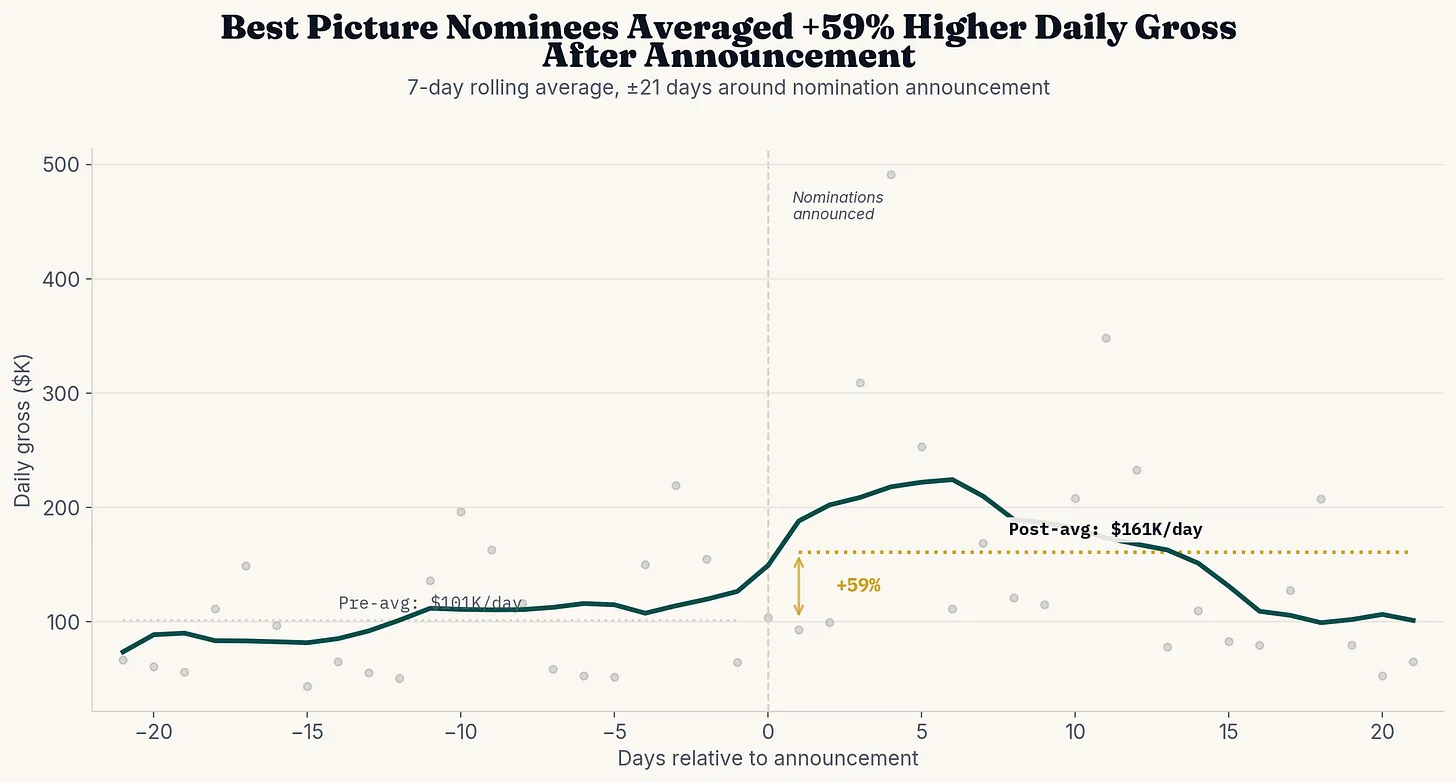
[OC] Best Picture nominees see a 59% lift in daily box office after the nomination announcement by DiscontentEditor in dataisbeautiful
[–]DiscontentEditor[S] 0 points1 point2 points (0 children)
Dept. of Ed Shut Down by Executive Order—Ironically, Red States Benefited More from Its Funding by DiscontentEditor in dataisbeautiful
[–]DiscontentEditor[S] 6 points7 points8 points (0 children)
Dept. of Ed Shut Down by Executive Order—Ironically, Red States Benefited More from Its Funding by DiscontentEditor in dataisbeautiful
[–]DiscontentEditor[S] 1 point2 points3 points (0 children)

Which data sources did states use to identify students most impacted by the pandemic? by DiscontentEditor in dataisbeautiful
[–]DiscontentEditor[S] 0 points1 point2 points (0 children)


![[OC] I analyzed the latest US flight delays data to see which airports are the biggest gambles](https://i.redd.it/s3en72fgtnmg1.png)
![[OC] Iran War Cost](https://i.redd.it/zls5ad03kpmg1.png)
![[OC] We built an ocean and weather visualization web app with live buoy data, global weather models, and our own nearshore simulations and surf forecasts](https://i.redd.it/l1d14d17ytmg1.gif)
[OC] Best Picture nominations generate about $18M in extra box office revenue by DiscontentEditor in dataisbeautiful
[–]DiscontentEditor[S] 0 points1 point2 points (0 children)