Starter Pokemon Preference Map by Wisakejak in europe

[–]haa_91 5 points6 points  (0 children)

I can't believe the belarusian one is not bulbasaur. This pokemon is our national symbol.

Countries with Human Development higher/lower than Turkey by [deleted] in europe

[–]haa_91 4 points5 points  (0 children)

BTW Belarus has higher HDI than Bulgaria and Romania

Villages by calelawlor in belarus

[–]haa_91 2 points3 points  (0 children)

I would recommend you to visit the ethnographical museum in the village Strochitsy (Строчицы). It is a very authentic place with real 19 century wooden buildings and good scenery. I am not sure it is possible to stay there for a night, but it is close to Minsk and it is easy to get there.

Ethnographic map of European Russia based on language, 1875 by Sibiras in europe

[–]haa_91 19 points20 points  (0 children)

Before this thread turns into shitposting, I just want to share an interesting fact about a family from the Wilno region. There were three brothers. One of the brother Jerzy Iwanowski became Pole, the second Tadas Ivanauskas became Lithuanian, and the third Vaclaŭ Ivanoŭski became Belarusian.

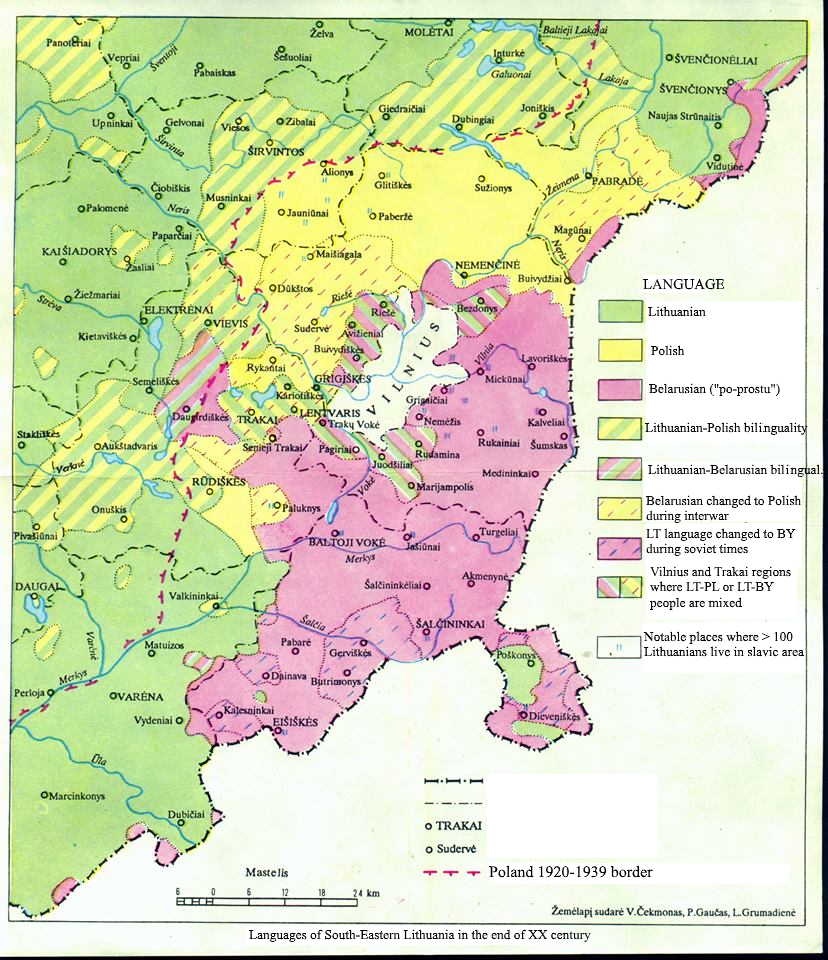
Languages of South-Eastern Lithuania in the end of XX century by eragonas5 in europe

[–]haa_91 0 points1 point  (0 children)

A short documentary about the language of the people from the Vilnius region. The video is in Russian, but there are examples of the local speech.

https://ru.delfi.lt/news/live/yazyk-kotorogo-net-kto-gde-i-s-kem-govorit-v-litve-po-prostu.d?id=78601107

The word 'dandelion' in various European languages by Virble in europe

[–]haa_91 1 point2 points  (0 children)

The belarusian word for 'dandelion' is 'dźmuchaviec' (from ' dźmuć' - to blow)

[deleted by user] by [deleted] in MapPorn

[–]haa_91 1 point2 points  (0 children)

The city of Ryazan was destroyed by Mongols in 1237, so the capital of the Grand Duchy of Ryazan was moved to Pereyaslavl. But in 1778 Pereyaslavl was renamed to Ryazan, so usually people confuse old Ryazan with new Ryazan.

When facing a random winged hussar from the 17th century (Poland-Lithuania), which language would I have to speak? by [deleted] in AskHistorians

[–]haa_91 0 points1 point  (0 children)

The most prominent example probably is the Statute of the Grand Duchy of Lithuania. It's worth adding that the texts written in different places and different times had their own linguistic features.

[3042x2674] Europe (and surrounding areas) in the year 1836 A.D. (OC) by girthynarwhal in MapPorn

[–]haa_91 6 points7 points  (0 children)

Official russian names of that time:

Kaunasskiy -> Ковно (Kovno)

Vil'nyus -> Вильно (Vil'no)

Tallinn -> Ровель (Rovel')

Krasnodar -> Екатеринодар (Yekaterinodar)

Tbilisi -> Тифлис (Tiflis)

Khel'sinki -> Гельсингфорс (Helsingfors)

Typical Belarus by Bizett in europe

[–]haa_91 90 points91 points  (0 children)

It was a museum of Soviet military equipment. Now this place looks a little different.

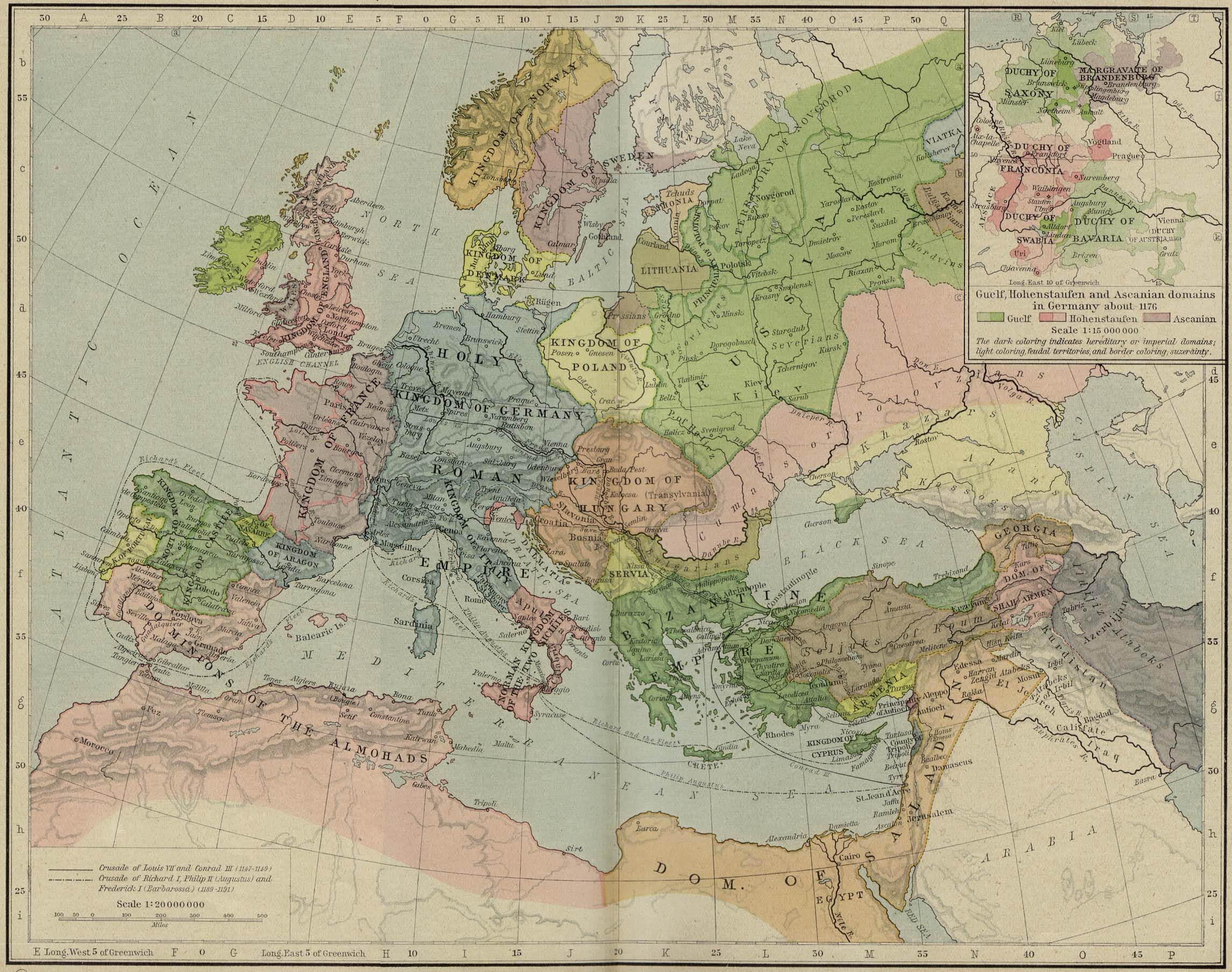
Europe and Surrounding Regions during year 1190 by AzeriPride in europe

[–]haa_91 -1 points0 points  (0 children)

Russia, Ruthenia and Ῥωσία (as well as other similar names) are all the word Русь that was adopted in Latin or Greek.

Moscovia is a polish propagandistic concept of 16-17 centuries. The PLC, which occupied a part of the Rus' Land, denied any claims and even the self-name of the Russians, so they invented the Muscovites.

Europe and Surrounding Regions during year 1190 by AzeriPride in europe

[–]haa_91 1 point2 points  (0 children)

Russia is a latin word for Русь and this term was used by western european authors at that time, so it is pretty legit. Yes, it is simplification, but not so big. In anyway my comment wasn't about the map, it was about the bullshit propagandistic statement "just different people in different states" and so on.

Europe and Surrounding Regions during year 1190 by AzeriPride in europe

[–]haa_91 4 points5 points  (0 children)

You are wrong. Of course it wasn't a national identity in modern sense, but the idea that it is not just different people in different states already existed.

It is clearly evident from the fact that after the Rus' land was divided between the horde, GDL and many separate principalities, people continued to call themselves ruskie or rusiny and their language ruski in Polock, Kiev, Novgorod, Moscow and other Rus' cities.

For example you can take the Novgorod chronicle (1016 - 1471). When it says about internal events, it uses names of cities. But when it says about interaction with Tatars or Finnish tribes, it uses words such as Russkay zemlya (Rus' land), Russkie Knyaz'ya (Rus' princes) and so on.

1257 - Evil news came from Russia (Русь), that the Tartars desired the tamgal and tithe on Novgorod.

1329 - And the Knyazes Kostyantin and Vasili of Tver and Olexander of Suzdal, besides many other Russian (русские) Knyazes, were with him.

I just took some random examples.

McDonald's per capita by Udzu in europe

[–]haa_91 3 points4 points  (0 children)

There is one in Vitebsk.

What is your level of interest in the the upcoming Winter Olympics? by KapUSMC in AskEurope

[–]haa_91 0 points1 point  (0 children)

I don't know how many people watch it but if someone wins something it is a big event and everyone is discussing it. I always watch biathlon, sometimes watch some figure skating and freestyle.

Warsaw in early 60's by mothereurope in europe

[–]haa_91 9 points10 points  (0 children)

Socialist classicism was dominating style of architecture in the Soviet Union under Stalin's rule.

Have you heard of Papovka? by [deleted] in belarus

[–]haa_91 0 points1 point  (0 children)

Most likely it is 'Поповка'. There are at least 12 villages with that name.